
Top Strategies for Managing Bad Credit in Petawawa
Understanding Bad Credit
Bad credit can be a significant obstacle, affecting your ability to secure loans, rent apartments, or even get certain jobs. In Petawawa, like elsewhere, it’s important to understand what bad credit is and how it impacts your financial life. Generally, a credit score below 600 is considered poor. This score reflects your credit history, including late payments, defaults, and other negative activities.
Assess Your Current Financial Situation
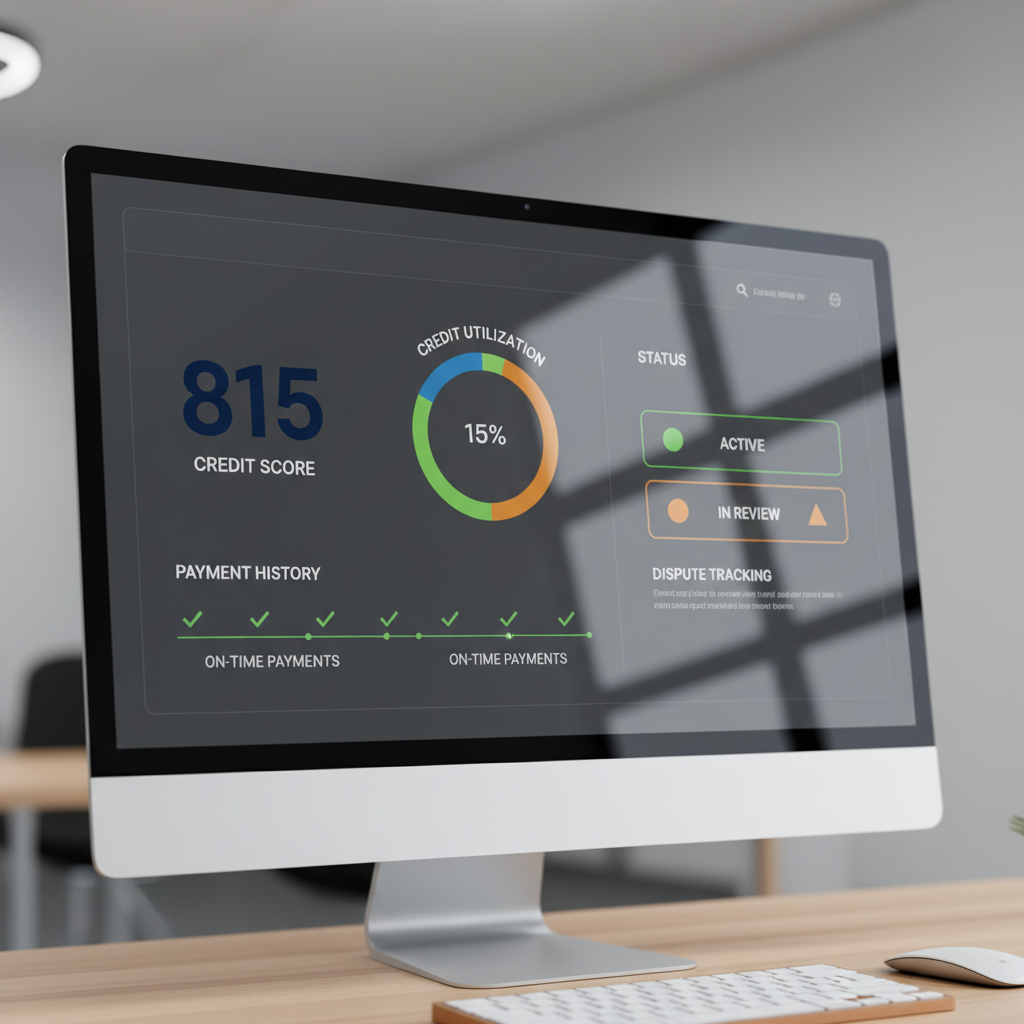
Before you can improve your credit, you need to know where you stand. Obtain a copy of your credit report from major credit bureaus. Review it carefully to identify any errors or discrepancies. Correcting mistakes can sometimes result in a quick boost to your score. Additionally, understanding your debts and financial habits is crucial for creating a plan to manage and improve your credit.
Create a Realistic Budget
Developing a budget is a cornerstone strategy for managing bad credit. Start by listing your income and essential expenses to see what’s left for debt repayment. Include categories for savings and emergencies to prevent further financial pitfalls. Sticking to a budget can help you avoid overspending and ensure that you make timely payments, which is vital for credit improvement.

Prioritize Debt Repayment
When dealing with bad credit, prioritizing debt repayment is essential. Focus on paying off high-interest debts first, such as credit card balances. Consider using strategies like the avalanche method, where you pay off debts with the highest interest rates first, or the snowball method, where you pay off the smallest debts first to build momentum.
Negotiate with Creditors
Don’t hesitate to reach out to creditors to negotiate better terms. You might be able to secure lower interest rates or set up a more manageable payment schedule. Many creditors are willing to work with you if you communicate openly about your financial difficulties. This can prevent accounts from going into default, which would further damage your credit score.

Consider Credit Counseling Services
Seeking help from a credit counseling service can provide valuable guidance. These professionals can work with you to develop a debt management plan tailored to your situation. They can also offer advice on budgeting and financial management, helping you to rebuild your credit over time.
Use Secured Credit Cards
Secured credit cards can be a useful tool for rebuilding credit. They require a cash deposit as collateral, minimizing risk for the lender. By using a secured card responsibly and making timely payments, you can gradually improve your credit score. Over time, you may qualify for unsecured credit cards with better terms.
Stay Consistent and Patient
Improving bad credit doesn’t happen overnight. It requires consistent effort and patience. Regularly monitor your credit report to track your progress. Celebrate small victories along the way to stay motivated. Remember, every positive financial decision brings you one step closer to better credit health.